Interrailing Italy: Ultimate Guide and Route
Some links in this post contain affiliate links. I receive a small commission if you use the links at no extra cost to you! Happy reading 😀
Planning a trip to Italy is often overwhelming. Where do you start with the trains in Italy? What should you see, and where can you go for the best experience? Here’s my ultimate guide to interrailing Italy!
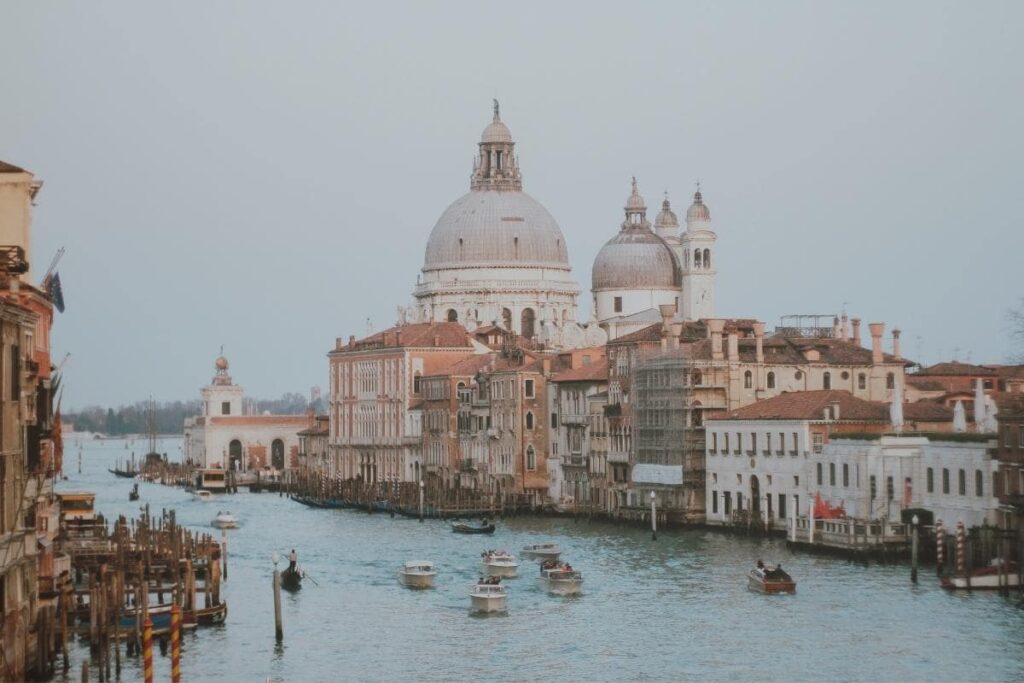
It’s no secret that everybody falls in love with Italy.
Whether you’re from Europe yourself, or further afield, Italy just has something special about it.
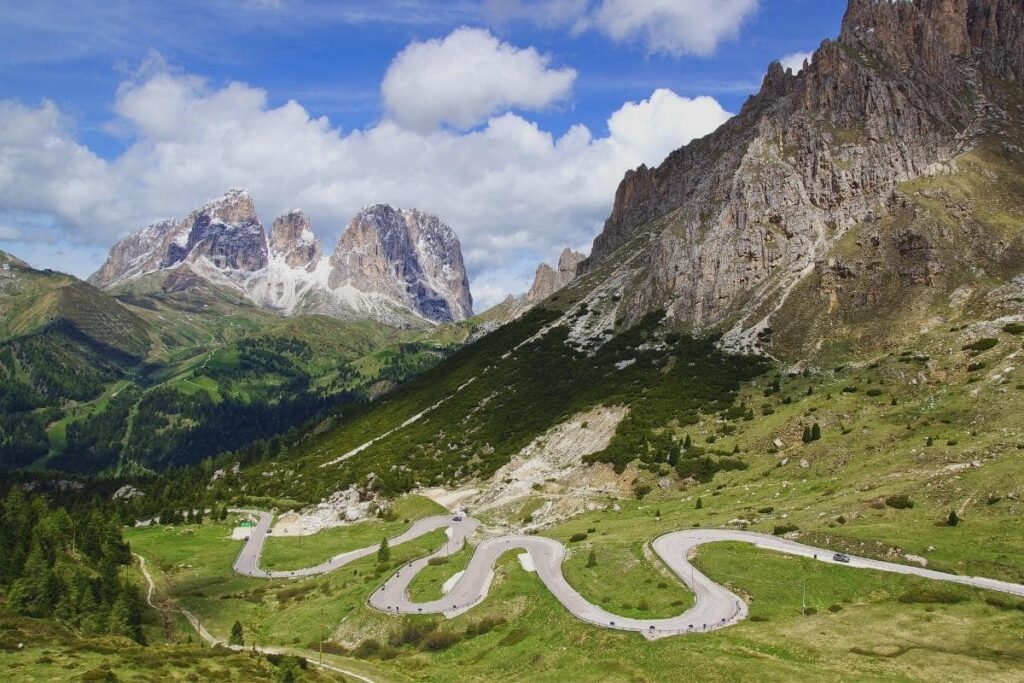
You may decide to indulge in the Italian culture on the cobbled streets of Rome, on the colourful coastline of Lake Como, or by renting a car to take in the wonder of the Dolomites.
By slow travelling and interrailing Italy, you get that time to really soak up Italy’s magic.
In this post, I’ll give you the ultimate guide to travelling Italy with an interrail pass (Eurail pass for non-EU buyers) and my personal tips on the best way to do it.
Plus, I’ll share my favourite stops along the way so you can make the most of your trip!
Get excited – interrailing Italy is one of a kind and one of the best European countries on the continent!
Want to interrail on a budget? I’ve got you covered. Check out my latest post! How to Interrail on a Budget: Interrail Europe CHEAP! (2022)
Not sure which backpack to buy for interrailing Europe? Read my post to find the best backpack for you!
🗺️ Travelling Europe? Book your interrailing pass here!
🗺️ Interrailing Europe this summer? You might also like…
- Backpacking Europe: A Beginners Step-by-Step Guide
- What To Pack Interrailing Europe: Packing List Essentials
- Interrailing Routes 3 Weeks: FOUR Routes You’ll Love!
- Is the Interrail Pass Worth it? An Honest Review (2022)
- How to Interrail on a Budget: Interrail Europe CHEAP! (2022)
Interrailing Italy: Three Different Routes to Take
Route 1: 2 weeks
Naples (& Sorrento) – Rome – Florence – Bologna
If you’re interrailing Italy for two weeks (or using your Eurail pass), this is a good route to see some of the best sights of Italy.
Italy’s train network is excellent so you will be able to see some of the best Italian cities in a short amount of time.
Fly directly to Naples, and spend a day or two exploring Mount Vesuvius and Pompeii.
Depending on how long you want to spend in Rome, Florence and Bologna, you can even budget an extra day in Naples to pop to the Amalfi Coast.
Just make sure you budget in at least an extra day as it’s a 2.5 hour train journey from Naples.
🗺️ My interrailing must-have: Solo travelling on your interrailing trip? Stay safe by carrying your cash or card in a money belt. I know it sounds silly, but Europe can be chaotic and pickpockets are known to work in busy areas. it’s better to be safe than sorry!
Route 2: 3 weeks
Naples (& Sorrento, Pompeii) – Rome – Florence (& Pisa) – Venice – Milan (& Verona)
Interrailing Italy for 3 weeks gives you a bit more time, so you can definitely budget in a few nights in Sorrento if you’re looking for beautiful beaches and ocean views.
Then head north to Rome and enjoy everything the capital has to offer (and by this, I mean the best food in the world). You’ll also be able to visit one of the smallest countries in the world – Vatican City.
Continue north to Florence on the trains in Italy, where you can plan in a day trip to Pisa.
If you’re still up for more, book a train to Venice and Milan, where if you’ve still got energy left, you can plan a 1-hour journey to Verona from Milan.
Heads up – Verona is one of my favourite places in Italy!
Quietly underrated, it has a unique charm, has an ancient Roman amphitheatre commonly putting on live music events and is full of Italian culture!
🗺️ My interrailing must-have: A wheelie backpack! Check out my favourite, the Osprey 65L wheeled backpack. It’s dreamy for long-term trips and when you need more than a carry-on!
Route 3: 4 weeks
Naples (& Sorrento, Pompeii) – Rome – Florence (& Pisa, Cinque Terre) – Bologna – Venice – Milan (& Verona) – Turin
The final route I’ve listed is for travellers who have at least 4 weeks to interrail Italy.
The route is similar to the previous two, but also includes a day (or two) trip to Cinque Terre from Florence, a trip to Lake Garda from Milan and an additional few days in Turin at the end of the trip.
Of course, any of these trips can be changed and manipulated to suit your wants and needs when you visit Italy.
But if you’re travelling in peak time, make sure you book seats well in advance, because this route includes some major cities!
Italy is home to so many hidden gems that aren’t on this list, but these interrailing routes are for first-timers visiting Italy.
🗺️ My interrailing must-have: Solo travelling but still want to take photos? 📸 I’ve found the most perfect adjustable tripod that’s lightweight and easy to set up (you don’t want any awkward moments alone, I know how it feels!)
Interrailing Italy: Train Durations
Below I have listed some of the longer (or more frequently used) train duration times for your interrailing Italy trip.
Naples > Rome: 1.5 hours
Rome > Florence: 2 hours
Florence > Pisa: 1.5 hours
Florence > Cinque Terre: 3 hours
Bologna > Venice: 1 hour 45 minutes
Venice > Milan: 4 hours
Bologna > Milan: 1.5 hours
Milan > Verona: 2.5 hours
🗺️ My interrailing must-have: Well, it’s a little more advanced, but if you want to take high-quality photos, make sure you invest in a good camera. This doesn’t have to be thousands of pounds, and our favourite is the Canon EOS 6D Mark II.
Need to Know: Interrailing Italy
- The rail network connects the whole country. So if you’re worried about being able to get from A to B, don’t be! Even smaller, ‘off the beaten track’ villages and towns will have a train station. Regional trains and night trains are available in most major cities.
- Shorter (or even longer) journeys can also be made by bus. If you’re reading this post, you’ll more than likely be interrailing Italy, but if you have a section of a journey that cannot be made by train, the FlixBus can be used for inter-city routes.
- The interrailing pass will include all trains in Italy, including Le Freece high-speed trains (although you’ll need a reservation), Trenitalia and Trenord.
- You MUST make a seat reservation for high-speed trains. Seat reservations are usually around 10 EUR. This can be done on the Interrailing website or at the train station. You can guarantee your seat easily there for either high-speed trains or regional trains.
🗺️ My interrailing must-have: Don’t forget an additional memory card and hard drive for saving your photos on the road!
Night trains whilst Interrailing Italy
Whilst interrailing Italy, there may be times you need to hop on a night train.
The Intercity Notte is the main night train, and it runs every night.
It is also included in the interrailing pass, but you do need to book a seat in advance.
Don’t forget to reserve a bed, which will be an additional 40 EUR (but at least you save money on accommodation!)
The main route on the night train in Italy is:
Milan – Genova – Pisa – Livorno – Salerno – Catania
If you need to know more about the train travel, check out the details on the interrailing planner site.
PS: Make sure you have your interrailing pass BEFORE your trip to get a seat reservation!
🗺️ My interrailing must-have: If you’re travelling Europe, make sure you pack a Microfibre towel (and this one linked is super pretty too). They make life easier when getting in and out of the water, they’re portable and easy to carry on any kind of day trip. I’ve had mine for years and use it on every beach trip!
Useful Phrases for Interrailing Italy
Make sure you don’t get confused with Italian vocabulary whilst boarding the trains!
Here are a few useful phrases to remember whilst travelling between Italian cities:
Train: il treno
Ticket: biglietto
Train station: stazione dei treni
Ticket office: la biglietteria
Platform: binario
Carriage: la carrozza
Seat: posti
Arrivals: arrive
Departures: partenze
🗺️ Travelling Europe? Book your interrailing pass here!
What is Interrailing?
Interrailing is when you travel across Europe (or a country in Europe) by train. An interrailing pass will allow you to enter up to 33 countries in a specific amount of time.
There are different types of passes, discounts and durations, which I explain a little bit more in my interrailing post here. Passes include One-Country Interrail Pass or the Interrail Global Pass.
Want to know if it’s worth buying an interrailing pass or interrailing Italy without one? Check out my detailed Is the Interrail Pass Worth it? An Honest Review (2022) post to find out!
Other interrailing posts:
- Interrailing Routes 3 Weeks: FOUR Routes You’ll Love!
- 21 Interrail Tips for First-Timers: Interrailing Europe
- What To Pack Interrailing Europe: Packing List Essentials
- Is the Interrail Pass Worth it? An Honest Review (2022)
What to Pack for Interrailing Italy
Knowing what to pack when travelling to different Italian cities can be overwhelming.
Luckily for you, I’ve written a whole detailed post ALL about what to pack for interrailing, which you can read here!
Staying in hostels? Don’t forget to pack:
- A padlock: to keep your valuables secure when you leave your hostel room.
- A hanging wash bag: to make sure all your toiletries are kept in one place, and won’t get confused with anyone elses
- Speakers: because, well, who doesn’t love music? Just make sure everyone in your room gets a chance to pick a song! (And no one minds you playing the music)
- A microfibre towel: Not all hostels will provide you with towels for free. Bring your own to save extra ££.
- Earphones: for loud nights and disruptions to your sleep.
- Flip flops: if you’re using shared showers.
- Eyemask: for uninterrupted sleep.
- World travel adapter or an extension lead: so you’re not using more than one plug!
- Your laptop or tablet: for movie nights, of course! 🍿
Not sure which backpack to buy for interrailing Europe? Read my post to find the best backpack for you!
Best Destinations whilst Interrailing Italy
Whether you’re interested in exploring the country’s vibrant cities or its stunning countryside, you’ll find plenty of places to visit and things to do.
And with an interrail pass, it’s easy to get around and see as much of Italy as you want!
Let’s take a look at some of my favourite Italian cities that can all be accessed via train!
Want to know more about Italy’s famous landmarks? Check them out here!
🗺️ My interrailing must-have: I use my Insta Mini 11 to take photos on all of my trips. As they print instantly, they’re perfect for making a scrapbook and writing in all your favourite and funniest memories. I’ve even got my boyfriend joining in on it now too!
Rome
If you’re interrailing around Italy, one of the best places is the timeless city, Rome.
As the country’s capital, Rome is full of historical landmarks and cultural attractions.
From the Colosseum to the Vatican, there’s plenty to see and do in Rome. And with an interrail pass, you can easily venture outside of the city and explore some of Italy’s other highlights.
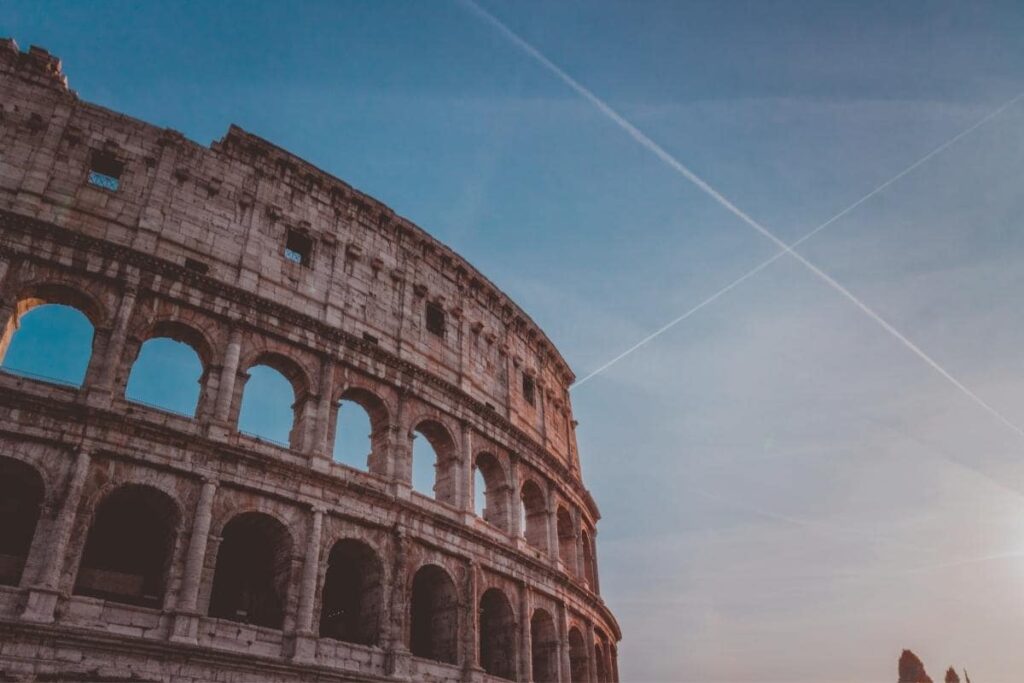
Don’t forget to visit the Colosseum. This ancient Roman stadium is one of the most popular tourist destinations in the city, and for good reason. It’s an incredible piece of history that you won’t want to miss.
And if you have some spare time, visit the Roman Forum and take a food tour!
Rome is known for its ridiculously-good cuisine, so why not try some of the best dishes the city has to offer?!
There are plenty of food tours available that will take you to all the best places to eat in Rome.
NOTE: Regional trains, night trains and high-speed trains are available from Rome.
🗺️ My interrailing must-have: If you’re solo travelling, don’t forget to take earphones for busy public transport. Listening to a podcast or tuning out from the noise is a lifesaver on a busy city trip!
Naples
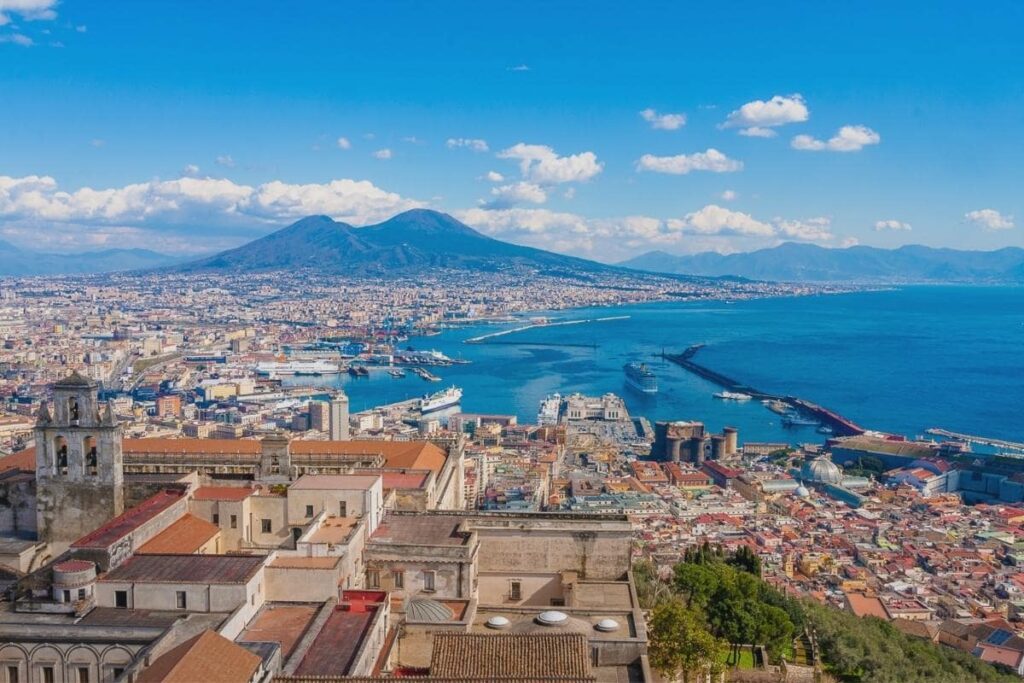
From the moment I arrived in Naples, there was a non-stop flow of sights, smells and sounds that kept me entertained for hours on end.
If you’re looking for things to do in Naples, here are my top three recommendations.
First on the list is to take a stroll through Spaccanapoli – one of the most beautiful and historic streets in the city. Stretching from the Piazza del Gesù to the Piazza San Domenico Maggiore, this street is lined with grand old buildings, charming cafes and lively market stalls.
It’s the perfect place to get a taste of traditional Neapolitan life.
Next up is a visit to the Naples National Archaeological Museum – one of the largest and most important museums in Italy.
Housing an incredible collection of artefacts from Roman and Greek times, this is a must-see for any history lover. Trust me, it’s worth braving the crowds for!
And finally, no trip to Naples would be complete without indulging in some authentic, Italian pizza. Yummm.
If you’re looking for a more relaxed pace, then head to the Amalfi Coast, which is a train ride from Naples.
With its beautiful coastline and idyllic towns, the Amalfi Coast is perfect for a chilled break. Or if you’re feeling energetic, there’s plenty of opportunity for hiking and biking in the area!
Florence
If you’re interrailing around Italy and find yourself in Florence, congratulations!
You’ve made it to one of the most beautiful cities in the world. But now what?
Once you’ve visited all the major sights – the Duomo, the Uffizi Gallery, the Boboli Gardens – you might be wondering what else there is to do in this historic city. Here are a few suggestion:
- Climb to the top of Giotto’s bell tower for breathtaking views of the city.
- Stroll across the Ponte Vecchio, the oldest bridge in Florence, and stop to window-shop at the jewellery stores that line it.
- Take a day trip to nearby Fiesole to explore the Etruscan ruins and enjoy sweeping views of Florence from atop its hilltop perch.
- Wander through one of Florence’s many open-air markets, like San Lorenzo or Sant’Ambrogio, and browse stalls selling everything from locally-made leather goods to fresh produce.
- Sample some of the city’s renowned gelato – there are said to be over 500 flavours to choose from! – or enjoy a traditional Florentine steak (if you’re not a veggie like me).
🗺️ My interrailing must-have: A portable power bank. Don’t get caught short and lose your phone battery whilst travelling! If you’re solo travelling, you’re going to rely on it to get you from A to B.
Cinque Terre
Cinque Terre is one of the most beautiful places in Italy, and it’s a perfect interrailing stop.
The views are incredible, and there are plenty of things to do.
There are direct trains from Genoa, La Spezia, and Pisa. If you’re interrailing, you can also take a regional train from Milan or Florence.
There are plenty of hotels and hostels in Cinque Terre if you’re planning on staying overnight.
I recommend staying in Monterosso al Mare or Vernazza, as they’re both close to the beach. If you’re on a budget, there are also some campsites in the area.
There are loads of things to do in Cinque Terre. You can go hiking, swimming, kayaking, or just relax on the beach. There are also plenty of restaurants and bars, so you can try some of the local food and wine.
And of course, don’t forget to take plenty of photos!
🗺️ My world travel must-have: The tap water around the world isn’t always safe to drink, so I use my filter water bottle pretty much every day to keep myself hydrated. I take it everywhere with me, and it works in every country where you can’t drink tap water! You can grab yours here. 🚰
Verona
The last Italian highlight I want to mention is Verona. Accessed easily from Milan, Verona will always have a special place in my heart.
Verona is a city in Italy’s Veneto region, at the edge of the vast expanse of the Po River Valley. It’s known for its Roman arena, the Verona Arena, built in the 1st century A.D. and capable of holding 22,000 spectators!
It’s now often used for live music and theatre events, so try and get tickets whilst interrailing Italy!
This impressive structure was once used for gladiator fights and public spectacles, and you can even take a tour of the arena to learn more about its crazy history!
It’s also associated with William Shakespeare’s Romeo and Juliet; legend has it that the lovers were based on 2 real-life young people whose graves lie side by side in a local churchyard.
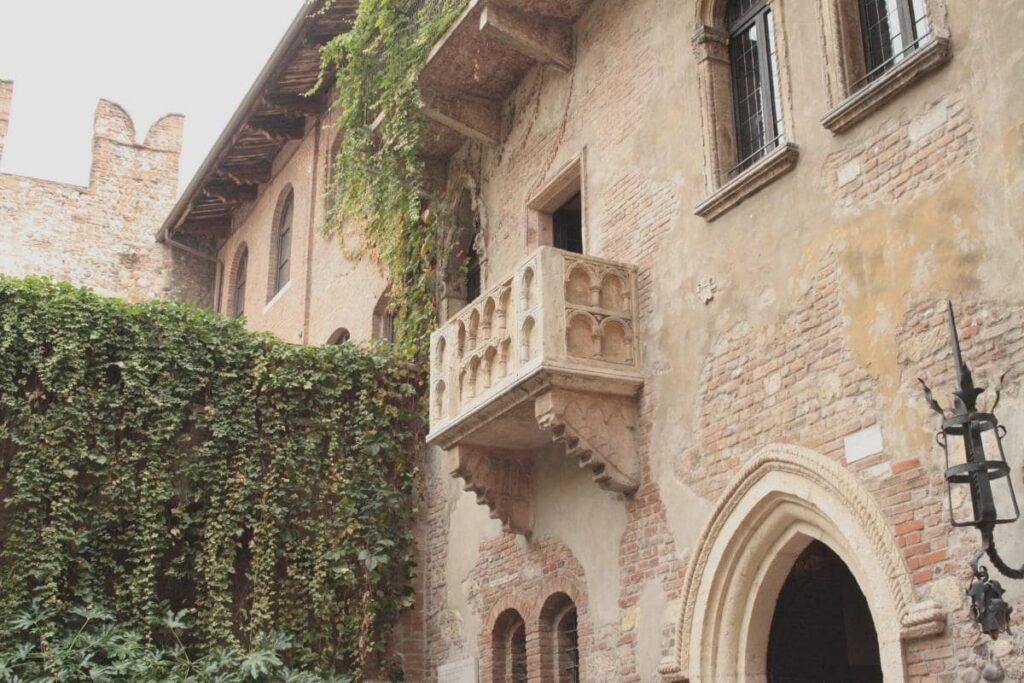
If you’re a fan of Romeo and Juliet, you’ll definitely want to check out some of the sites associated with the play. For example, you can visit Juliet’s House, which is said to be where Shakespeare’s fictional character lived.
🗺️ Travelling Europe? Book your interrailing pass here!
Accommodation whilst Interrailing Italy
When deciding on where to stay in Italy whilst you’re interrailing, it all depends on budget.
If you’re a budget/mid-range traveller like me, I’d recommend using Hostelworld. Even if you don’t want to stay in shared dorms, Hostelworld is a great way to find cheap private rooms.
Average hostel price in Italy: £15-30 (shared dorm), £25-50 (private room)
🗺️ Booking hostels? I always use Hostelworld as their deals are usually the cheapest. They also have reviews from other backpackers, and explain the vibe of the hostel (party, chill, social…) so you know exactly what you’re booking.
If you have a bit more money to spare, check out Airbnb. We use Airbnb during our travels all the time, and it’s a great way to have your own space whilst travelling.
Average Airbnb price in Italy: £80-100 (entire apartment) or £50-70 (private room)
And of course, if you want to be wined and dined, you can splash out on hotels. Personally, I rarely stay in hotels due to the price, but it just makes it more special when I do!
Average hotel price in Italy: £80-150 per night.
How do I book tickets to Interrail Italy?
First things first, you need an interrailing pass (which you can book directly here).
Once you’ve bought your pass, and have a destination plan, you can begin booking your seat reservations.
NOTE: Your interrail pass begins when you reach the first destination that isn’t your home timetable.
Then, have a look at Interrail’s train timetable to find times and destinations on your interrailing Italy trip.
Most trains will require a seat reservation (especially high-speed and sleeper trains). Slower trains are usually cheaper (or in some cases, free).
You can also book your seat on italiarail.com. This means you avoid any Interrail fees.
Want to interrail on a budget? I’ve got you covered. Check out my latest post! How to Interrail on a Budget: Interrail Europe CHEAP! (2022)
Interrail Pass Benefits
If you buy an interrailing pass to travel around Italy, you’re not just buying a train ticket. With your pass, you also get a number of benefits and discounts that you can use across the country.
NOTE: These benefits do change according to the country you’re in. These are listed for Italy only.
- Bologna welcome card: If you’re visiting Bologna, you can get 10% off museum visits and city tours with your interrailing pass.
- FREE OBB bus travel in Italy (although you must have a Global pass for this to be valid)
- Up to 20% discount on ferries across the country, and between Italy, Greece and Croatia. You can then also experience the beauty of the Mediterranean sea by boat!
- Special discounts on City Sightseeing buses in cities
- 10% discount on stays at certain hostels, such as Generator Hostels. See more on the Hostelworld.com website here.
Interrailing Italy: In a Nutshell
So there you have it!
If you’re looking for an amazing European adventure that won’t break the bank, interrailing Italy is definitely the way to go.
With trains connecting most of the country’s major cities, it’s easy to plan your trip and see as much as you can in a short amount of time.
I absolutely loved my experience interrailing around Italy. Want to share your adventures? If you decide to do it, make sure to let me know on Instagram or in the comments below!
Happy travelling!
Jennie 😀 x
Like this post? You might also like…
- Interrailing Routes 3 Weeks: FOUR Routes You’ll Love!
- 21 Interrail Tips for First-Timers: Interrailing Europe
- Backpacking Europe: A Beginners Step-by-Step Guide
- Interrailing Switzerland: Route, Itinerary and Guide
- Interrailing Spain: Travel Spain By Train
- Interrailing France: Travel France By Train
- How to Interrail on a Budget: Interrail Europe CHEAP! (2022)